I remember standing in a small production hall while a technician sighed—motors tripped again mid-shift, and the line slowed by nearly 20%. In many cases a simple motor controller was the bottleneck; it handled the drive, yes, but not the real-world quirks we face every day. Recent surveys I follow show up to 15% energy waste in poorly tuned systems and a surprising amount of downtime tied to control firmware and thermal limits (small shops feel it most). What can we do to stop losing time and money to avoidable controller issues?
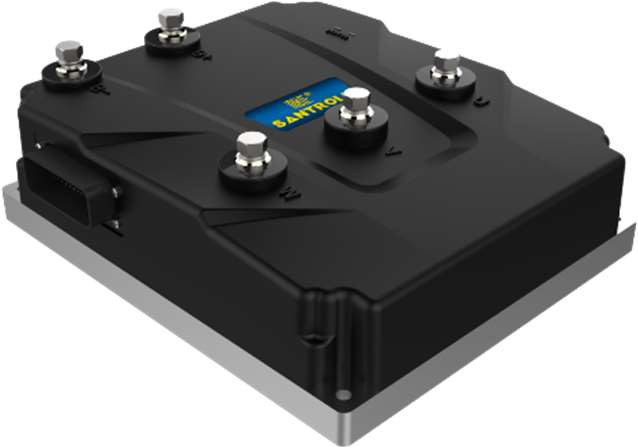
I’ll walk you through practical steps that focus on the user—how you, as an operator, engineer or buyer, can change outcomes with small, sensible moves. Along the way I’ll drop in a few industry terms like BLDC, PWM and inverter so we stay concrete. Let’s move from observation to action — and clear the path to the next section where we dig deeper into what really goes wrong.
Part 2 — The Real Pain: Why typical controllers fail users
bldc motor controller setups often look fine on paper but hide practical flaws: limited thermal headroom, one-size-fits-all tuning, and firmware that refuses to adapt to load swings. I’ve seen systems where MOSFETs run hot because the tuning ignored real torque demands. Field-oriented control (FOC) is great — when it’s implemented with proper sensors and feedback. Too often employers buy a controller for specs, not for how it behaves at 30% load or after hours of continuous duty.
Look, it’s simpler than you think: manufacturers promise efficiency curves, but those figures assume steady state and ideal conditions. In reality, we battle variable loads, noisy encoders, and connection noise that upends PWM signals. I want you to see the gap between spec sheets and shop floors — and to feel confident asking vendors the right questions. Short story: many controllers fail by design because they prioritize peak numbers rather than usable, stable performance over time. — funny how that works, right?
What specific flaws cause the biggest headaches?
The most common culprits are weak thermal management, inflexible firmware, and poor EMI handling. These lead to repeated derates or sudden shutdowns. If your project uses edge computing nodes or advanced sensing, mismatched interfaces can also create invisible delays that feel like “lag” to operators. I’d recommend checking for real-world test data, not only lab benchmarks.
Part 3 — Forward-looking steps: New principles and practical checks
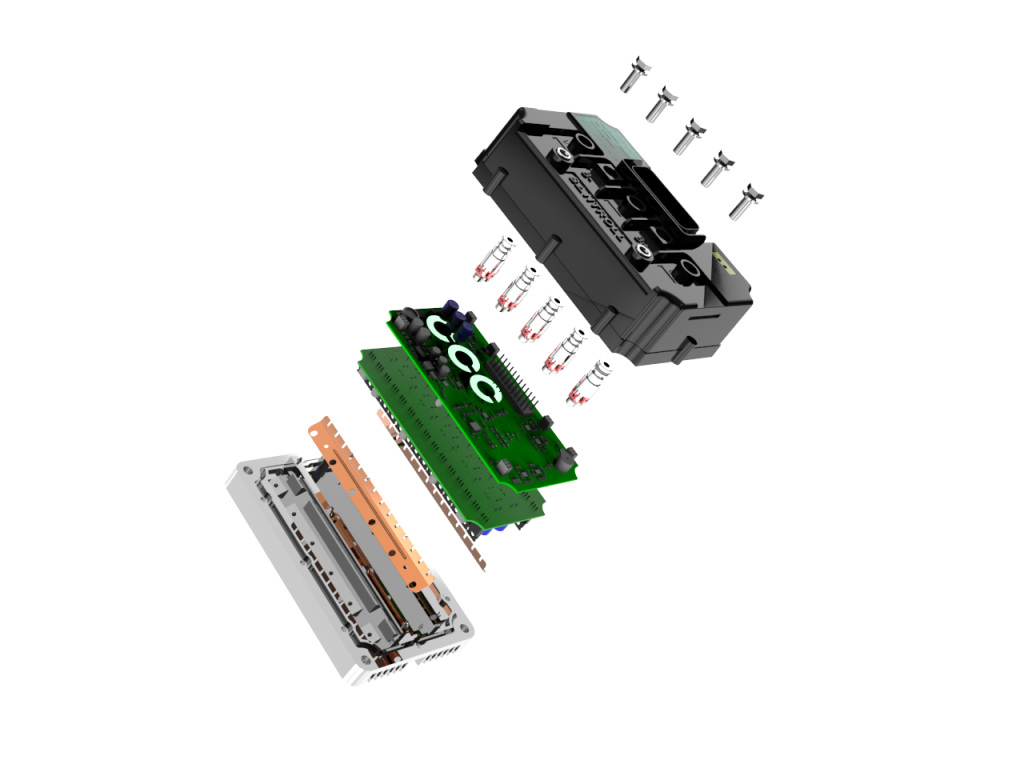
Shift to new technology principles and you change outcomes. I’m talking about smarter thermal design, adaptive firmware that auto-tunes under load, and modular hardware that lets you swap power converters or MOSFETs without rewiring the whole system. When we design around predictable variability — load swings, ambient temperature changes, supply noise — we reduce surprises. Integrating diagnostics that report torque control anomalies or encoder drift gives operators early warnings. That’s real value; it saves shifts and reduces frustration.
electric motor solutions that embed logging, simple web interfaces, and self-calibration routines are becoming practical. I’ve watched a line recover from repeated stops once the team enabled on-board telemetry — it was like turning on the lights. For procurement, look for controllers that document their failure modes and give you tools to manage them. Small features—like a user-facing thermal curve or a downloadable event log—make a big difference.
What’s Next: How to pick the right controller
I’ll leave you with three evaluation metrics I use personally when choosing motor controllers. These are concise and practical:
1) Real-world efficiency and derate behavior: ask for curves showing performance across temperatures and partial loads. 2) Adaptability: prefer firmware that supports field upgrades and has auto-tuning or simple parameter sets. 3) Diagnostics and interfaces: seek controllers with clear logs, straightforward error codes, and standard communication—so your team can act fast. Measure those, and you’ll avoid the common surprises that cost time and morale.
I care about solutions that reduce friction on the shop floor and help teams do better work. If you’re considering a change, start by testing under the most chaotic conditions you expect—rush hours, heat, and long runs. Small tests reveal big truths. For reference and sourcing, I often point people to vendors with clear documentation and hands-on support like Santroll.